
Science · Physics · Heat transfer, insulation, and convection
The jacket design modern gear still studies
How caribou-hair systems trap heat in extreme cold using pure insulation physics.
Nations / communities: Inuit, Nunamiut
The problem
At -40°C, your body loses heat fast. Insulation works by trapping still air — air molecules are poor conductors when they can't circulate.
- Still air slows conduction.
- Reduced airflow lowers convective heat loss.
- Multiple layers create thermal barriers.
The design
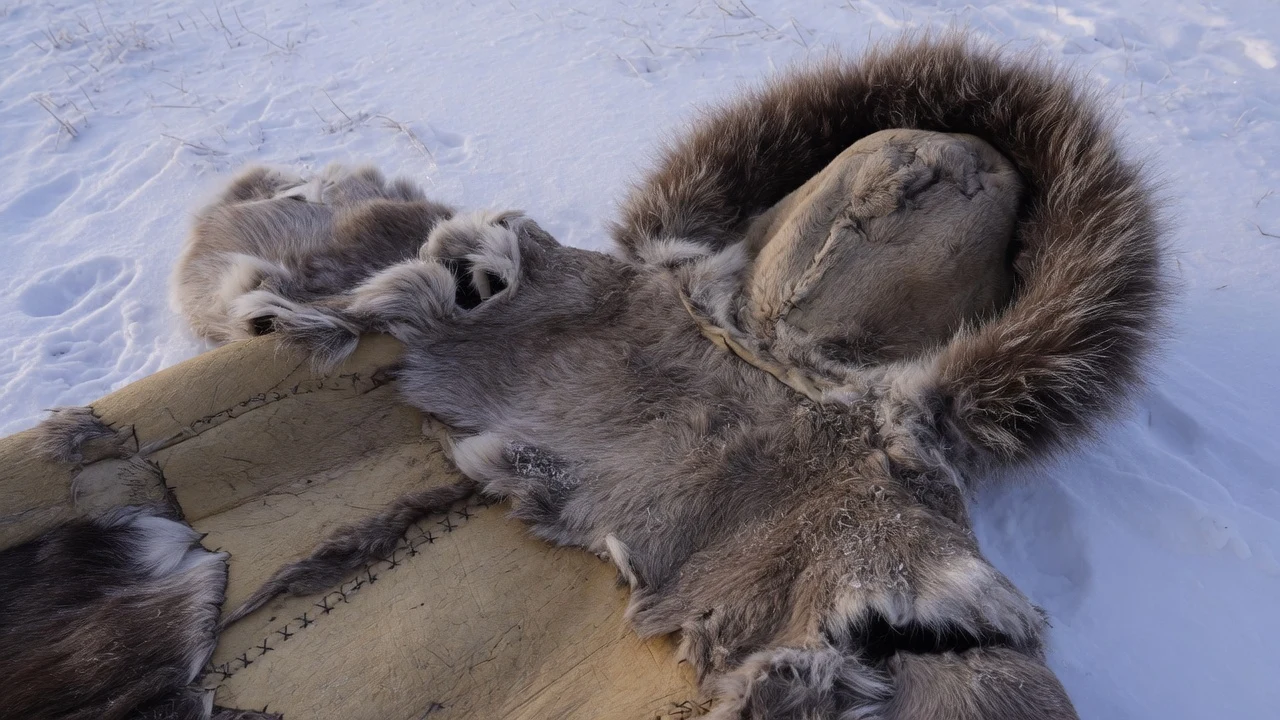
Caribou-hide clothing solves this at the material level.
- Hollow hairs trap air inside each fiber and between fibers — double insulation layer.
- Layered parkas create adjustable air spaces for different conditions.
- Mittens over gloves — fingers share one warm air pocket instead of five separate cold ones.
- Hood ruffs (often wolverine fur) shed frost from breath better than most modern materials.
Fit, stitching, and seasonal hide selection all matter. This is engineered clothing.
What this demonstrates
Researchers in Antarctica still study these parka designs. Many northern hunters prefer caribou-skin boots for warmth-to-weight ratio. The physics hasn't changed — hollow-fiber insulation and dead-air layers show up in modern synthetic gear for the same thermal reasons.
Saskatchewan connection: Plains winter clothing used similar insulation principles with available materials. Ask students to compare the physics in their own winter gear.
Discussion prompts
Related example: See No furnace. No fan. Still warm. for another Indigenous climate-engineering system.
Discussion prompts
- Why can "more thickness" fail if air is not trapped well?
- Which design feature here most directly reduces convective heat loss?
- If you changed only one variable (hair structure, layering, or fit), which loss pathway would rise first?
- Where do you see this same physics in your own winter clothing?
References
External sources — not hosted by Lesson Basket. Links open in a new tab.
- Traditional Clothing — Indigenous Peoples Atlas of Canada
Inuit caribou and sealskin clothing; hollow hair insulation; layered parkas.
- Nunamiut Caribou Skin Clothing and Tents — U.S. National Park Service
Hollow caribou hair, parka layers, kamik boots, and tailoring expertise.
- Caribou Skin Clothing — Gates of the Arctic (NPS)
Additional NPS context on caribou hide gear in extreme cold.
- Teaching about Tipi Technology — ND State Historical Society
Related Plains shelter insulation concepts for cross-comparison.
- Saskatchewan Indigenous Cultural Centre (SICC)
Local Nations context for Saskatchewan classrooms.